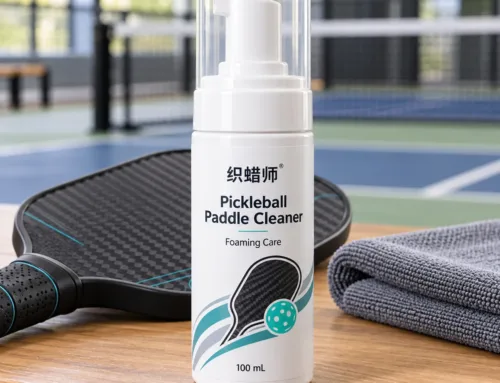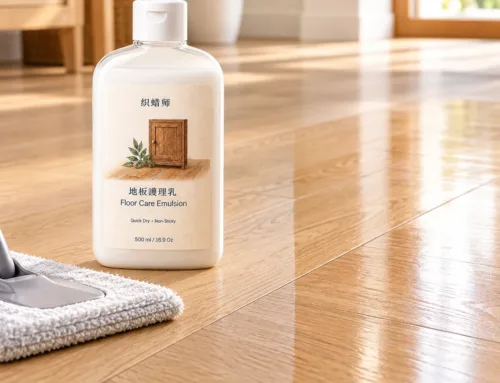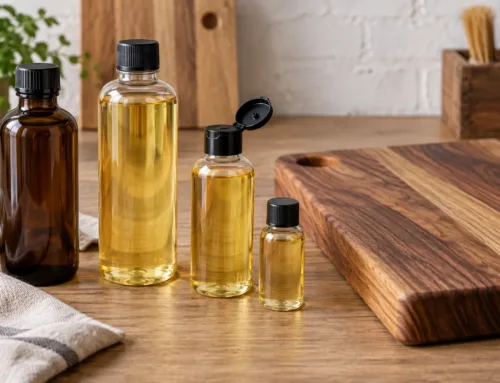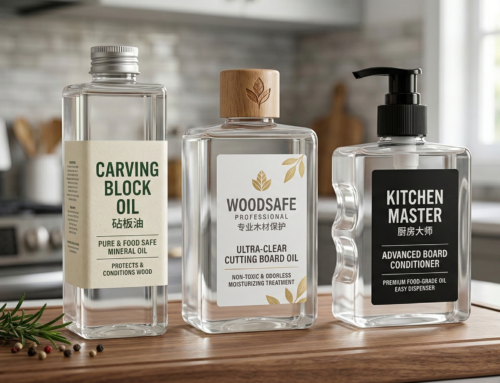
Choosing a private label wood care conditioner manufacturer is not only a sourcing decision. The supplier you select affects product performance, packaging reliability, customer reviews and the speed at which your brand can launch or expand a product line.
For brands selling in the United States or Europe, the strongest manufacturing partner is one that can translate a commercial idea into a testable formula, practical packaging and clear production specifications. This guide explains the questions buyers should ask before approving samples or placing a first order.
1. Start with the Surface and Use Case
“Wood conditioner” can describe very different products. A formula for unfinished furniture is not automatically suitable for cutting boards, butcher blocks or wooden utensils. Before comparing suppliers, define the intended surface, expected finish and application method.
- Kitchen wood care: cutting boards, butcher blocks, bowls and utensils.
- Furniture care: unfinished or previously treated tables, cabinets and decorative wood.
- Maintenance format: liquid oil, lotion, balm, paste or wax.
- Customer expectation: deep conditioning, surface protection, grain enhancement or routine maintenance.
A capable manufacturer should ask these questions before recommending a base formula. If every project receives the same product regardless of use case, the formula may not match the buyer’s market.
2. Evaluate Formula Options with Samples
Do not select a formula only from an ingredient list or a photo. Request samples and test them on the wood species your customers are most likely to use. Compare spreadability, absorption, wipe-off time, residual feel, odor and the appearance after the surface has rested.
Viscosity alone does not determine quality. A thicker product can look premium in a bottle but may leave excess material on the surface. A lighter product may penetrate more easily but require different packaging or directions. The correct balance depends on the final application.
Ask the supplier to document the approved sample so production is based on a defined reference rather than a general description. Formula adjustments, fragrance options and ingredient substitutions should be reviewed before packaging is ordered.
3. Match Packaging to Formula Behavior
Packaging is part of product performance. Bottle material, closure style, liner, seal and dispensing method must work with the selected formula. A package that looks attractive but leaks during parcel delivery can create refunds, damaged cartons and poor marketplace reviews.
Discuss these points during development:
- Fill volume and available container materials.
- Cap, pump, nozzle or wide-mouth jar requirements.
- Leak-prevention options for e-commerce and international shipping.
- Label size, surface adhesion and application method.
- Outer box, protective bag or kit configuration.
For Amazon and direct-to-consumer brands, request packaging tests that reflect the intended distribution method. Final transport classification and documentation depend on the approved formula, package, shipment quantity and destination.
4. Confirm MOQ, Sampling and Production Workflow
A low advertised MOQ is useful only when buyers understand what it includes. Ask whether the minimum applies to the formula, bottle, printed packaging and each design variation. Stock bottles with applied labels usually have different minimums from custom-molded containers or direct printing.
A practical private label workflow normally includes requirement review, sample selection or adjustment, packaging confirmation, artwork approval, pre-production confirmation and final manufacturing. Clarify which stage requires payment and how changes affect lead time.
Small brands often benefit from launching with a proven packaging format, collecting customer feedback and moving to more customized components after demand is established.
5. Review Quality and Documentation Before Claims
Marketing claims should match the final formula and available evidence. Avoid assuming that terms such as “food safe,” “natural,” “non-toxic” or “eco-friendly” automatically apply to every formula or market. Ask which information can be supplied for buyer review and which claims require additional testing.
The relevant documents and label requirements vary with composition, intended use and destination. A responsible manufacturer should distinguish between general product information and claims that need formula-specific verification.
6. Look for Commercial Support, Not Just Filling Capacity
A useful OEM partner helps a brand make decisions across formula, package and positioning. This is particularly important when the buyer is creating a coordinated care line rather than one isolated product.
For example, a wood care range may combine a liquid conditioner, a protective wax and a purpose-built cleaner. Consistent package sizes, label architecture and instructions make the range easier to merchandise and explain to customers.
Questions to Ask a Wood Care Manufacturer
- Which base formulas are available for my intended surface?
- Can I test samples on my target wood species?
- Which packaging combinations have been evaluated with the formula?
- What is the MOQ for stock packaging, custom labels and printed components?
- How are approved samples and production specifications controlled?
- Which product information and documentation can be provided after formula selection?
- What changes require a new sample or revised quotation?
Build a Clear OEM Brief
Before contacting a supplier, prepare a short brief covering the target customer, intended surface, product format, preferred ingredients, package size, sales channel, destination market and estimated order quantity. A clear brief makes sample recommendations faster and quotations easier to compare.
TexCera Custom develops small-batch private label oils, waxes and cleaners for home-care and kitchen-care brands. Explore our private label furniture wood conditioner, cutting board oil, cutting board wax and the complete Kitchen & Wood Care range.
Frequently Asked Questions
What is the typical MOQ for a private label wood conditioner?
The minimum depends on the selected formula, package and customization method. Stock packaging with an applied label generally supports a more flexible starting quantity than custom molding or direct printing.
Can a manufacturer copy an existing product?
A supplier can evaluate performance targets and discuss a development brief, but the approved formula should be based on agreed specifications and lawful requirements rather than unsupported assumptions about another brand’s composition.
Should I choose oil, wax or a combined conditioner?
The choice depends on the wood, customer routine and desired finish. Oil emphasizes penetration, while wax or balm formats emphasize surface feel and barrier properties. Testing on the intended surface is the best way to choose.