
Many clients looking for private label services come to me and ask: “With the Amazon kitchen category being so fiercely competitive, is there still room in a niche like cutting board wax?”
My answer is: Yes, absolutely. The repurchase rate and profit margins are highly attractive. But the prerequisite is that you must understand the backend supply chain. Over the years, I’ve seen too many sellers nail their front-end ads and visual marketing, only to fail miserably on formulation and packaging—a single FBA leakage return can eat up all your hard-earned profits.
Today, as the head of the Texcera Custom manufacturing facility, I want to have a heart-to-heart with you. From sampling to global shipping, here is the insider’s guide on how to avoid the pitfalls when creating a cutting board care product.
1. Stop Just Watching Competitors—Look at What Consumers Are Actually Buying
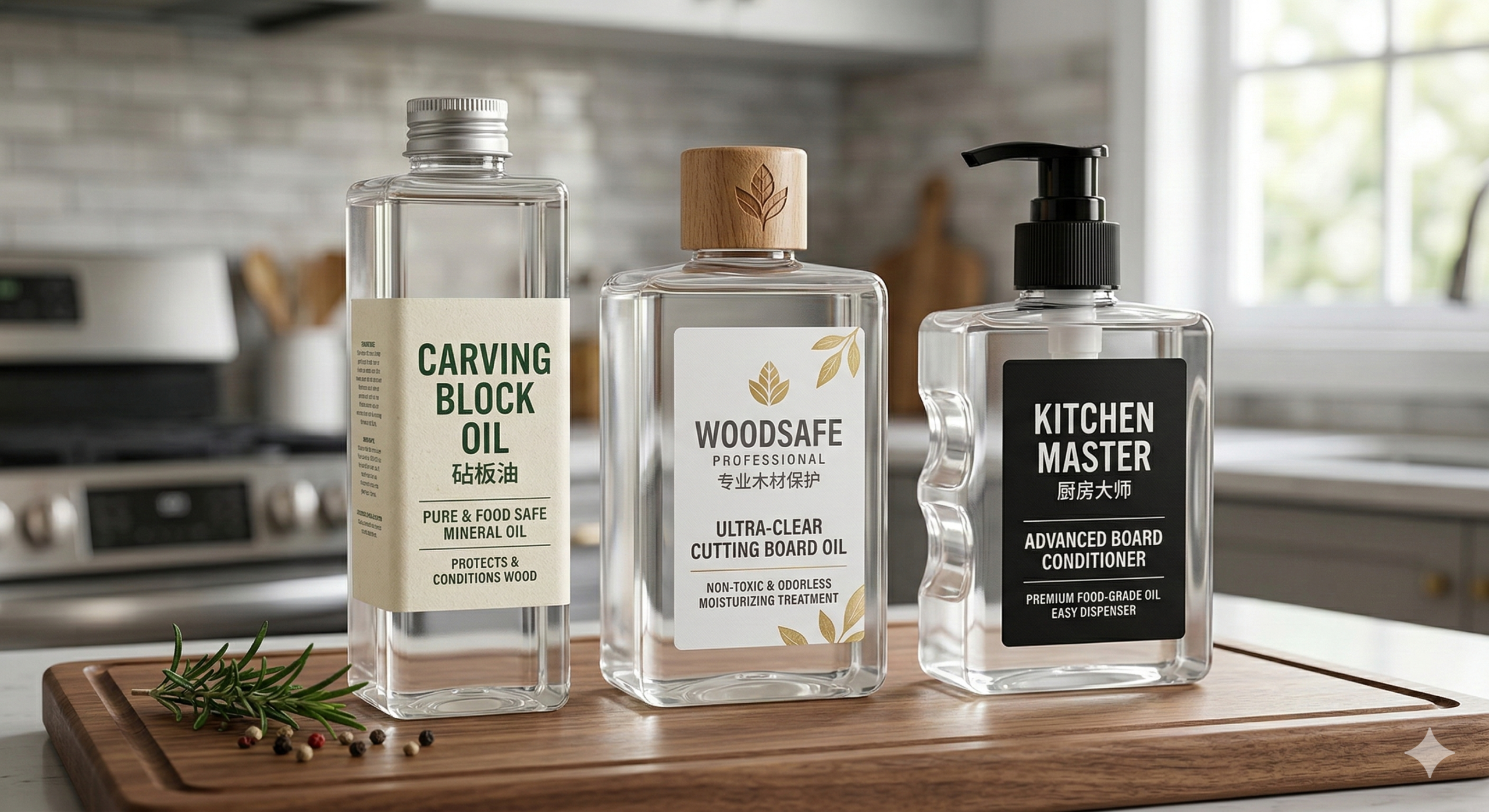
Buyers are getting increasingly specific about what they want in a cutting board wax.
Obsession with “Food-Safe” Standards
It’s a board for chopping food, after all. Consumers are extremely sensitive to what goes in their mouths. If your product lacks a clear “food-grade contact” endorsement, your conversion rate will drop by half.
Targeted Solutions
The days of “one oil fits all” are over. High-end users with expensive walnut boards have completely different needs compared to families using basic bamboo boards. Preventing cracks, stopping mold, deep conditioning—you need specific selling points.
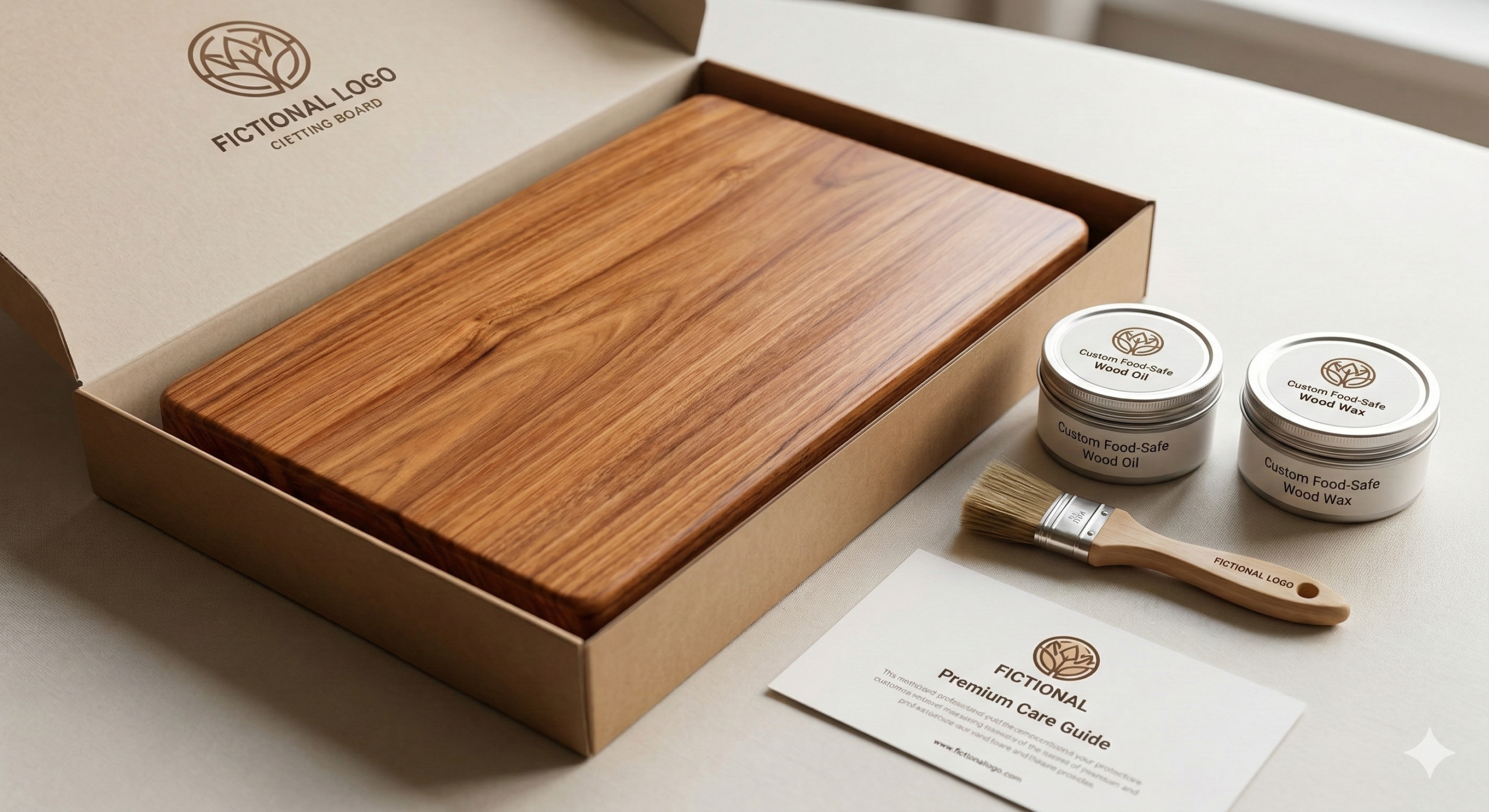
Packaging that Survives the Journey
Packaging dictates your brand vibe, but more practically, it must survive the bumpy ocean freight and rough handling in Amazon warehouses. Poor packaging will teach you a harsh lesson in damage rates.
2. The Core Secret: How to Choose Your Formulation? (Breaking Industry Myths)
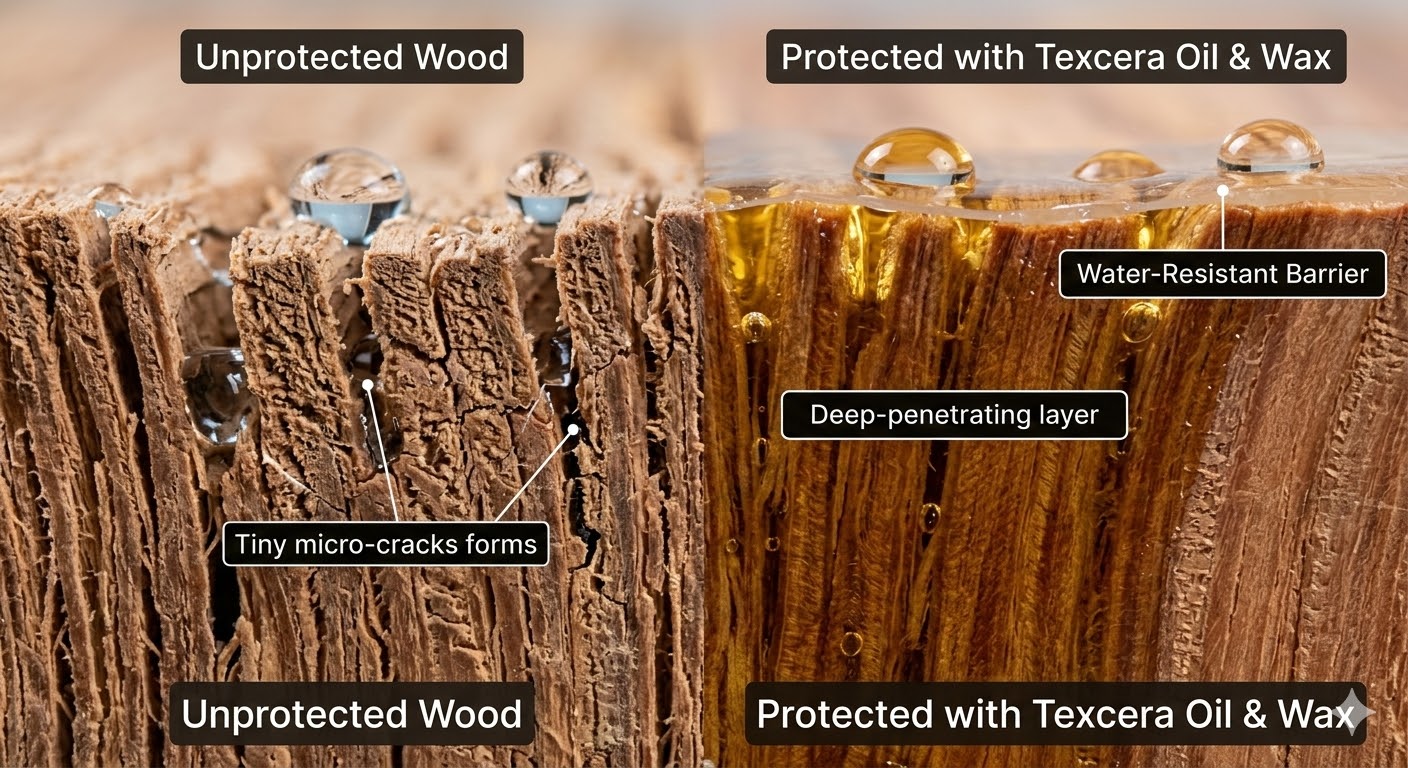
In OEM manufacturing, the formula dictates your cost and positioning. This is where many sellers stumble.
The Misunderstood Giant: Food-Grade Mineral Oil
Don’t be fooled by marketing jargon into thinking mineral oil is a “cheap” ingredient. In reality, high-purity mineral oil has small molecules for deep penetration, is exceptionally stable, will never go rancid, and is colorless and odorless. For customers needing high-frequency daily maintenance, it is the undisputed king of value.
The Factory’s Bottom Line
I constantly emphasize to clients: if you use a mineral oil base, it must be 100% high-purity food-grade. Some small workshops mix in industrial or cosmetic-grade oil to save a few cents—that’s a ticking time bomb for an Amazon seller! At our processing plant in Gaozhou, we strictly hold this red line. Compliance comes first.
The Premium Brand Builder: Pure Plant-Based/Vegan Base
If you are aiming for the high-end market or targeting vegan-friendly and eco-conscious consumers, combining cold-pressed plant oils with Carnauba wax or Candelilla wax is an excellent way to stand out.
The Technical Hurdle
The biggest flaw of pure plant oils is their tendency to oxidize and develop a rancid smell over time. This truly tests a factory’s R&D capabilities. The reason we obsess over formula ratios and natural antioxidants is precisely to solve this shelf-life pain point.
Sampling is Not Just a Formality
Whenever we take a new order at our facility, we don’t just adjust the texture (softer or harder) and custom scent according to the client’s needs. We must put it through extreme temperature tests in our incubators. Think about it: your goods will be baking in a shipping container across the Pacific for weeks, then stuffed into an FBA warehouse that might hit 40-50°C (100-120°F) in the summer. An unstable paste just won’t survive.
3. Pitfalls to Avoid: Compliance and the “Life or Death” of FBA Shipping
Getting the product made is only step one; getting it listed and shipped smoothly is the real test.
The Dreaded Hazmat Review
Amazon is incredibly strict about kitchen contact products. Your supply chain partner must know the ropes and quickly provide clear, compliant SDS (Safety Data Sheets) and food-grade certifications. Otherwise, your inventory gets stuck at the warehouse, unable to be listed.
The FBA Leakage Disaster
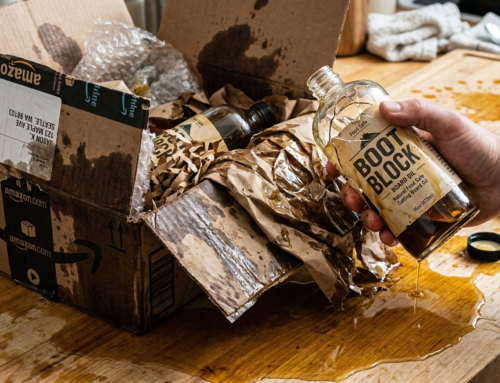
Let me tell you a secret: melted, leaking paste is the number one source of negative reviews in this category. Last summer, a client selling on the North American marketplace came to us. They had previously used a different factory that didn’t adjust the formula’s melting point. The products literally melted in the California FBA warehouse, and the return rate spiked. Therefore, besides ensuring the formula is heat-resistant, I strongly recommend packaging in dark PET jars or high-strength aluminum tins designed for long-distance transit. A high-quality sealing gasket is an absolute must-have—do not cut costs here!
4. How Should Sellers Actually Choose a Source Factory?
For cross-border sellers just starting out or testing a new product line, don’t blindly chase massive traditional factories that demand a Minimum Order Quantity (MOQ) of 10,000 or 20,000 units. A knowledgeable, flexible, and specialized manufacturing studio is often a much better choice.
I suggest focusing on these three points:
- Reasonable MOQs: Do they allow you to test the market with a lower-cost, flexible order quantity?
- Mature R&D Library: Do they have market-tested food-grade and plant-based formulas ready for you to private label?
- Understanding Your Pain Points: Does the factory manager communicating with you actually understand FBA shipping standards and barcode requirements?
Final Thoughts
Building a highly-rated Amazon cutting board care bestseller relies on your brand’s market sensitivity combined with the hardcore manufacturing foundation of a source factory.
If you are planning your next kitchen care bestseller, or if you aren’t satisfied with your current supply chain, welcome to visit our site at texceracustom.com to learn more, or just reach out to chat. We can send you some of Texcera Custom’s latest food-grade and natural plant-based samples to test out first. It never hurts to compare.
Build Your Private Label Cutting Board Wax Line
A successful cutting board wax program starts with a clear brief: target customer, preferred ingredient direction, application feel, jar or tin size, sales channel, destination market and expected order quantity. Formula claims, packaging and documentation should be reviewed together before artwork and production are approved.
Compare our private label cutting board wax, natural wood wax and cutting board oil. You can also explore the complete kitchen and wood care range.
Request samples and an OEM quotation for your cutting board care range.