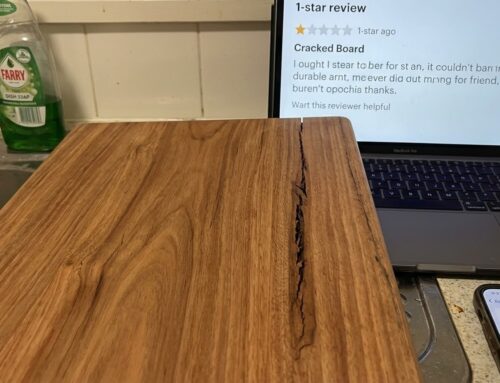
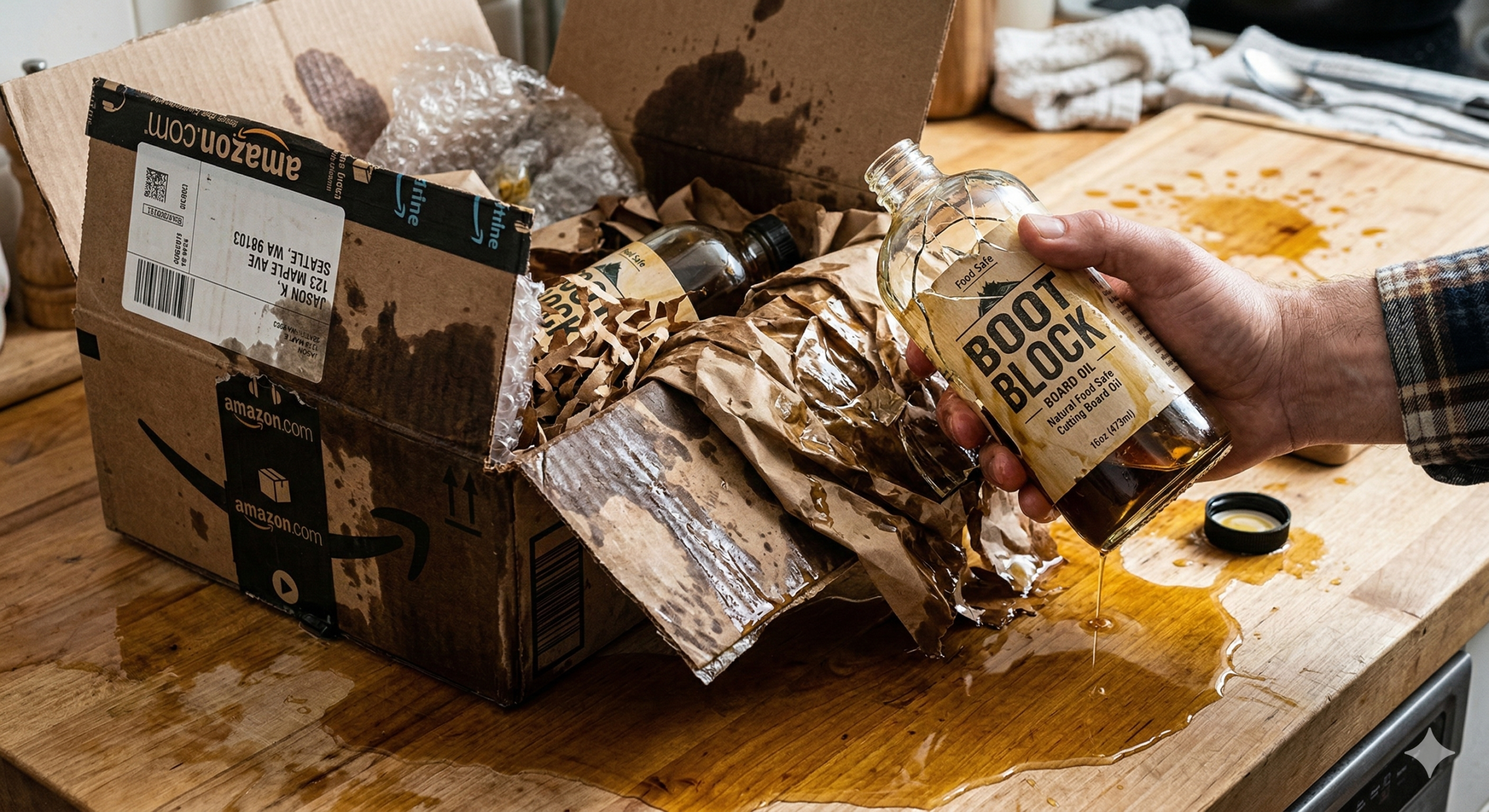
There is nothing worse for an Amazon seller than that notification: “Product suspended due to customer complaints – Defective Item (Leakage).”
I’ve seen great brands fail not because their product was bad, but because their bottle cap loosened slightly during a bumpy truck ride from a fulfillment center.
As a manufacturer who also builds brands, I know that packaging engineering is just as important as the chemical formula. We don’t just pour liquid into a bottle and hope for the best. We engineer the seal.

Our “Violence Test” Protocol Recently, a client came to us after their previous supplier caused a 15% return rate due to leaking oil. We didn’t just tighten the caps. We overhauled the process:
The Liner Match: We tested 6 different induction heat seal liners to find the one that bonds perfectly with PET plastic, even under pressure changes in cargo planes.
Torque Calibration: We don’t rely on hand-tightening. Our capping machines are calibrated to a specific torque value—tight enough to secure the seal, but not so tight that it cracks the neck.
The Drop Test: Before we ship your order, we take random samples, flip them upside down, and simulate a 1-meter drop. If one leaks, the whole batch stops.
Since implementing this protocol, our clients have reported a near-zero leakage rate on global shipments.
Don’t let a 2-cent seal ruin your brand’s reputation. Let’s build a product that survives the journey.

Why Private Label Liquids Leak During E-commerce Shipping
Liquid products face repeated vibration, temperature changes, pressure variation and parcel impacts between filling and delivery. A closure that appears secure on a workbench may loosen in a carton, while the wrong liner or neck finish can allow small amounts of liquid to escape. Leakage prevention therefore needs to be designed as a system that connects the formula, container, liner, cap, filling process and shipping carton.
Viscosity also matters, but it cannot compensate for an incompatible package. Each proposed bottle and closure should be reviewed with the actual product because oils, cleaners and water-based formulas can behave differently around seals and dispensing components.
Our Multi-Layer Packaging Validation Process
- Compatibility review: match the formula with the bottle material, closure and liner.
- Controlled capping: define a repeatable closure process instead of relying only on hand tightening.
- Seal evaluation: test the selected liner or sealing method with production-representative samples.
- Orientation and handling checks: inspect samples upright, on their side and inverted.
- Transit simulation: use drop and carton checks appropriate to the package and sales channel.
No packaging system should be described as universally leak-proof. The practical goal is to identify foreseeable failure points, define inspection criteria and approve a package that is suitable for the formula and intended distribution route.
From Formula to a Shipping-Ready Private Label Product
For an OEM enquiry, share the formula type, bottle volume, closure preference, sales channel, destination market and expected order quantity. TexCera Custom can review packaging options alongside sampling and manufacturing requirements, then confirm the appropriate validation scope before production.
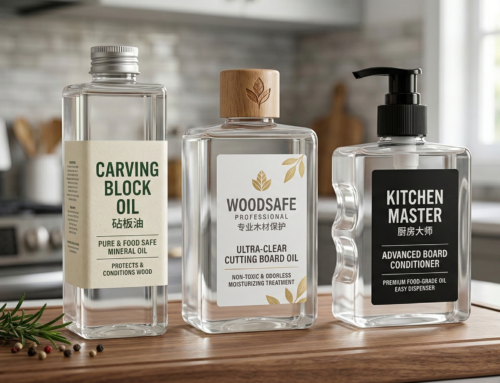
Related products include private label cutting board oil, orange oil and interior glass cleaner. Explore our complete private label range or request a packaging and manufacturing review.